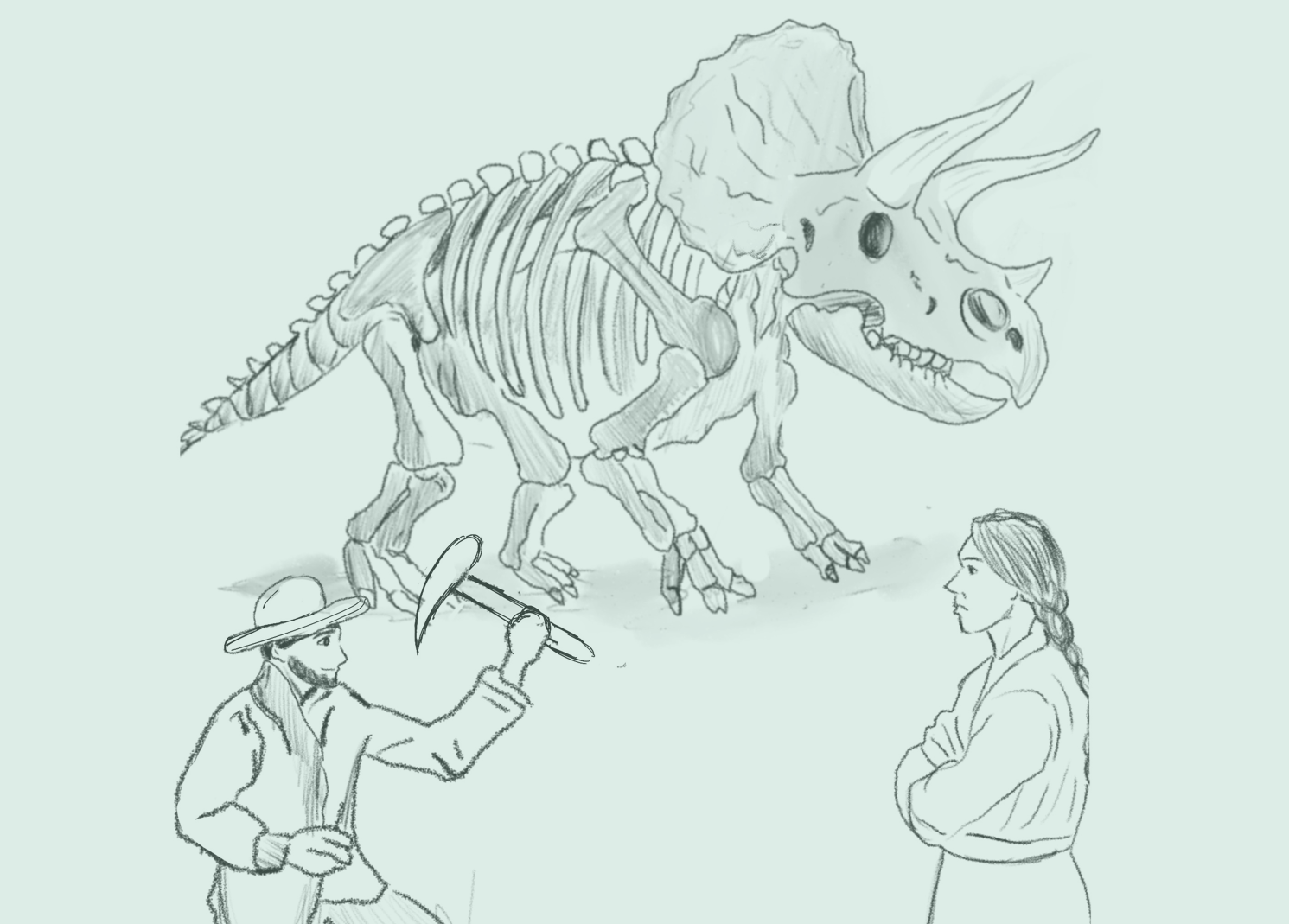
An empire, known to Indigenous peoples for centuries, “discovered” again. Tribal items taken as “loans” but never returned. Human remains dug up and shipped thousands of miles from their gravesites. For archaeologists and paleontologists of the nineteenth and early twentieth centuries, field ethics were often an afterthought—if they were considered at all. Many collectors justified […]
We have created a world in which science and technology are essential to our everyday lives, but many people don’t have an inkling about how things work. Scientific literacy in the United States is surprisingly low, and the most obvious culprit is our education system. “How does this affect my life? When will I need […]
When you imagine a physicist, who comes to mind? Perhaps a mad scientist with frizzy hair, or a reclusive genius scribbling equations on a chalkboard. There is something romantic about this “eccentric physicist,” who pushes ahead into the intangible, the invisible, the unknown. Their work is incomprehensible to us, and their understanding of the universe […]
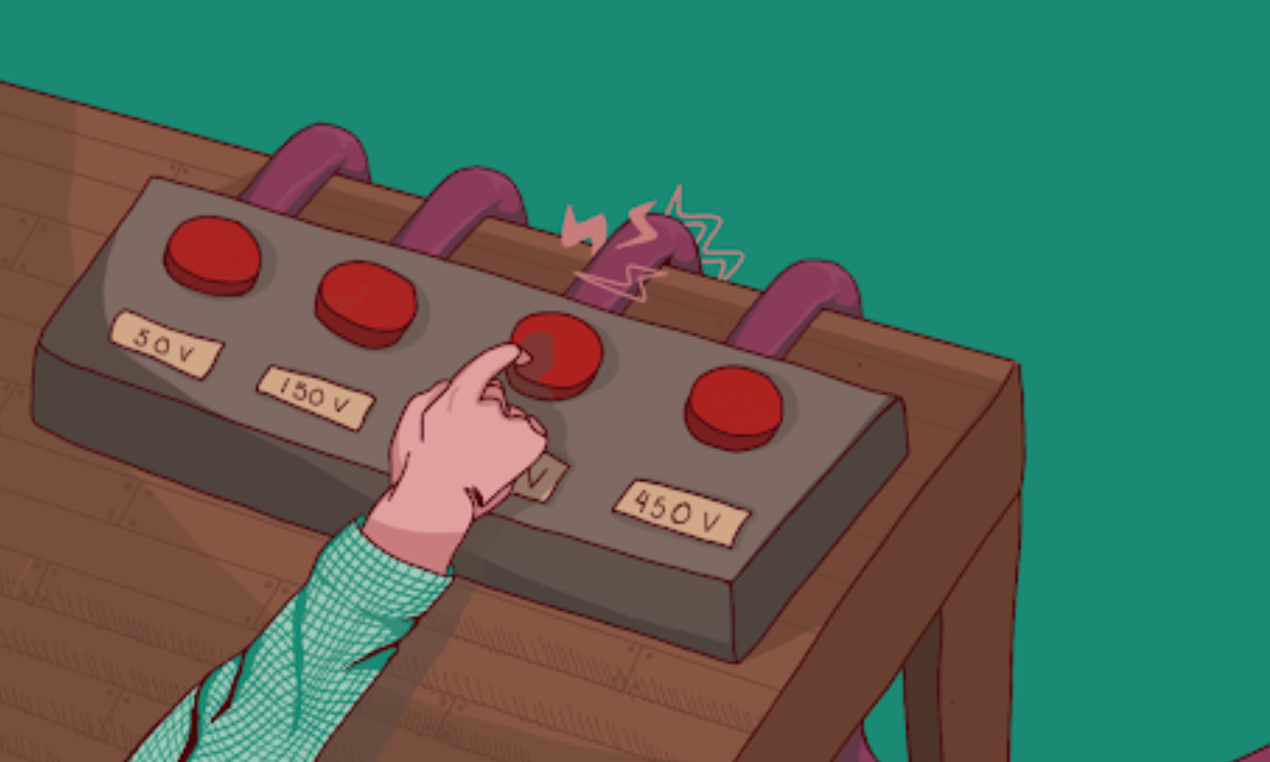
Psychological research is an exercise in trust. At the foundation of every psychological experiment lies a fundamental confidence between participant and researcher: that the participant will engage honestly, and that the researcher will act ethically and handle data responsibly. But psychologists must do more than establish trust with participants. They also bear the responsibility of […]
In the 1950s, members of Congress nearly laughed a group of entomologists out of their hearing room. The scientists’ research proposal? To study the mating habits of screwworm flies—parasites that burrow into the flesh of cattle. Though elected officials and members of the news media mocked the idea at the time, the unglamorous research effort […]